Water Sustainability Blog
News on the world's most precious resource, including the latest in research, trends, and treatment advances
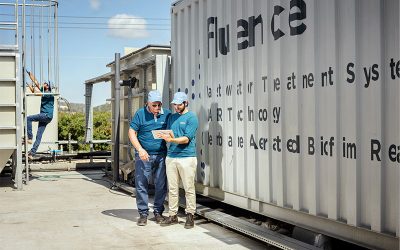
One Fluence: One Global Team
One Fluence brings together the technologies, technical expertise, engineering capabilities, and project experience to optimize complete systems.
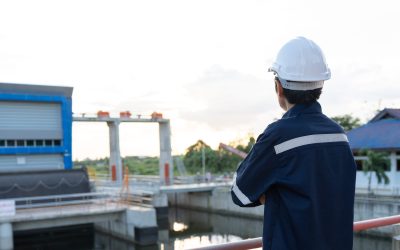
When Your Wastewater Permit Changes but Your Treatment Plant Doesn’t
Tighter wastewater discharge limits don’t always require plant replacement. Learn how targeted upgrades can address compliance gaps and extend plant life.

Can a Factory Expand Without Bringing in More Water?
Learn how manufacturers can expand production despite water supply limits through water reuse, greater recovery, reduced demand, and added treatment capacity.

The Challenge of Removing Nitrogen From Wastewater
There are many legacy and experimental processes for removing nitrogen from wastewater. Learn how MABR technology is making the process more energy efficient.

5 Water and Wastewater Challenges Every Workforce Housing Project Should Plan For
See how decentralized wastewater treatment can help workforce housing projects reduce hauling costs, deploy quickly, and add capacity as the workforce grows.
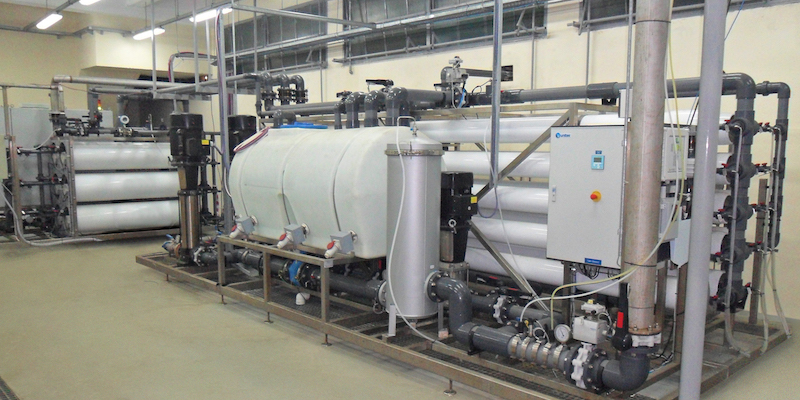
Optimizing RO Systems for Power Generation
With an integrated approach, power producers can use RO to generate reliable, high-quality water while improving operational efficiency and reducing water and energy demands.