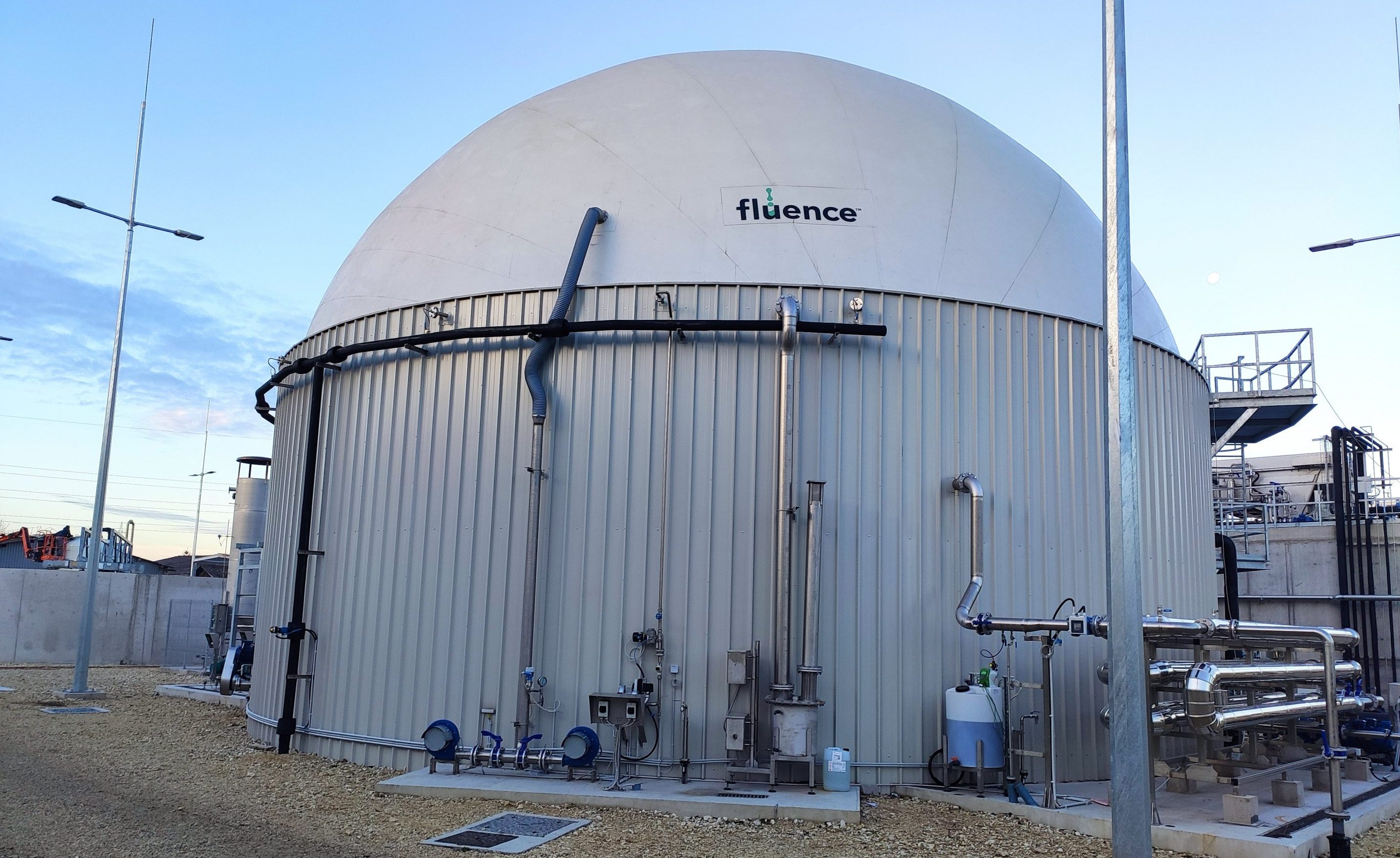
Typically, disposing of DAF sludge has been viewed as a problem, but treatment with anaerobic digestion makes it an asset.
Unlocking sludge’s energy potential turns a disposal problem into a valuable asset
For many industrial facilities, dissolved air flotation (DAF) is an effective wastewater treatment process for removing suspended solids and fats, oils, and grease (FOG) from industrial wastewater. However, once DAF has been performed, operators face a familiar challenge: What to do with the sludge?
Traditionally, disposing of DAF sludge has been viewed as a problem. Hauling, dewatering, and landfill costs can add up quickly, turning sludge management into a significant operating expense. But what if that same sludge could become a source of renewable energy and operational savings?
From Waste Stream to Energy Source
DAF sludge is often rich in organic material, making it an ideal feedstock for anaerobic digestion. Rather than sending this concentrated waste to a landfill, facilities can use biological treatment processes to recover value from it.
By converting organic waste into renewable energy, anaerobic digestion helps facilities move beyond traditional wastewater treatment and toward a more sustainable, resource-recovery approach.
Why DAF Sludge Has Value
DAF wastewater treatment systems are designed to remove fats, oils, grease, proteins, and suspended solids from wastewater by concentrating them into a sludge stream. While this sludge often presents a disposal challenge, it contains a high concentration of biodegradable organic material.
For example, a dairy processor using DAF to remove fats and proteins from wastewater may generate sludge with significant biogas potential that would otherwise be hauled away for disposal.
When fed into an anaerobic digester, naturally occurring microorganisms break down these organics in the absence of oxygen, producing methane-rich biogas. That biogas can then be used to generate heat or electricity for plant operations. At the same time, the digestion process reduces the volume of solids requiring disposal. It stabilizes sludge, creating agronomic value while helping facilities reduce hauling and landfill costs.
In other words, anaerobic digestion transforms DAF sludge from a waste product into a renewable and circular resource.
Improving the Economics of Wastewater Treatment
For industries that generate high-strength wastewater, anaerobic digestion can provide benefits beyond sludge reduction. When DAF sludge is incorporated into an anaerobic digestion system, operators gain an additional opportunity to recover energy while reducing waste management costs. In many industrial applications, the energy potential contained in wastewater and sludge streams can offset a significant portion of treatment-related energy consumption.
By removing organic load before discharge, facilities can reduce municipal surcharges and lower overall treatment costs.
The combination of avoided disposal expenses and renewable energy production creates a compelling economic case for facilities looking to improve operational efficiency.
New Technologies Improve Digester Performance
Historically, anaerobic digestion required large footprints and long retention times, limiting its adoption in some industrial applications. Advances in treatment technology have changed that equation.
Modern high-rate anaerobic systems enable facilities to capture the benefits of digestion while reducing footprint requirements and improving process stability, making energy recovery practical for industrial facilities that previously lacked the space or economics to support conventional digesters. These systems use specialized biomass and granular sludge technology to retain more active microorganisms within the reactor. This allows facilities to achieve high treatment performance in a smaller footprint while maximizing biogas production.
Some advanced digestion systems further improve performance through sludge recirculation strategies designed to retain higher concentrations of active biomass. Recuperative thickening builds on these advances by continuously recycling a portion of the digested, microbe-rich sludge back into the incoming feed stream. This increases the concentration of active microorganisms at the front end of the process, improving contact between biomass and organics, stabilizing performance under variable loading, and enhancing overall solids retention without requiring additional tank volume. The result is a more efficient, resilient system that further increases biogas yields and reduces operational constraints.
These innovations make anaerobic digestion practical for a broader range of industries, including food and beverage processing, dairy operations, breweries, distilleries, meat processors, and other facilities that generate DAF sludge with high organic content.
A Circular Approach to Wastewater Management
As sustainability goals become increasingly important, industries are seeking opportunities to recover resources rather than simply dispose of waste. Anaerobic digestion aligns with circular economy principles by transforming wastewater byproducts into renewable energy.
Instead of viewing sludge as an unavoidable expense, facilities can recover energy, reduce greenhouse gas emissions, lower disposal requirements, and improve overall environmental performance.
The result is a treatment strategy that supports both operational and sustainability objectives.
Looking Beyond Disposal
For many facilities, the true cost of DAF sludge extends far beyond hauling fees. Disposal costs continue to rise, while there is pressure across industries to improve sustainability and reduce energy consumption.
Anaerobic digestion offers a different approach. By capturing the energy stored in organic waste, facilities can reduce disposal volumes, generate renewable biogas, and create long-term operational savings.
Rather than asking how to get rid of DAF sludge, forward-thinking operators are asking a different question: How much value is being thrown away?
With the right anaerobic digestion solution, DAF sludge can become more than a waste stream. It can become a resource that helps offset treatment and disposal costs. To learn more about how these processes can help your business, contact Fluence. Our experts can tailor a solution for you.


