
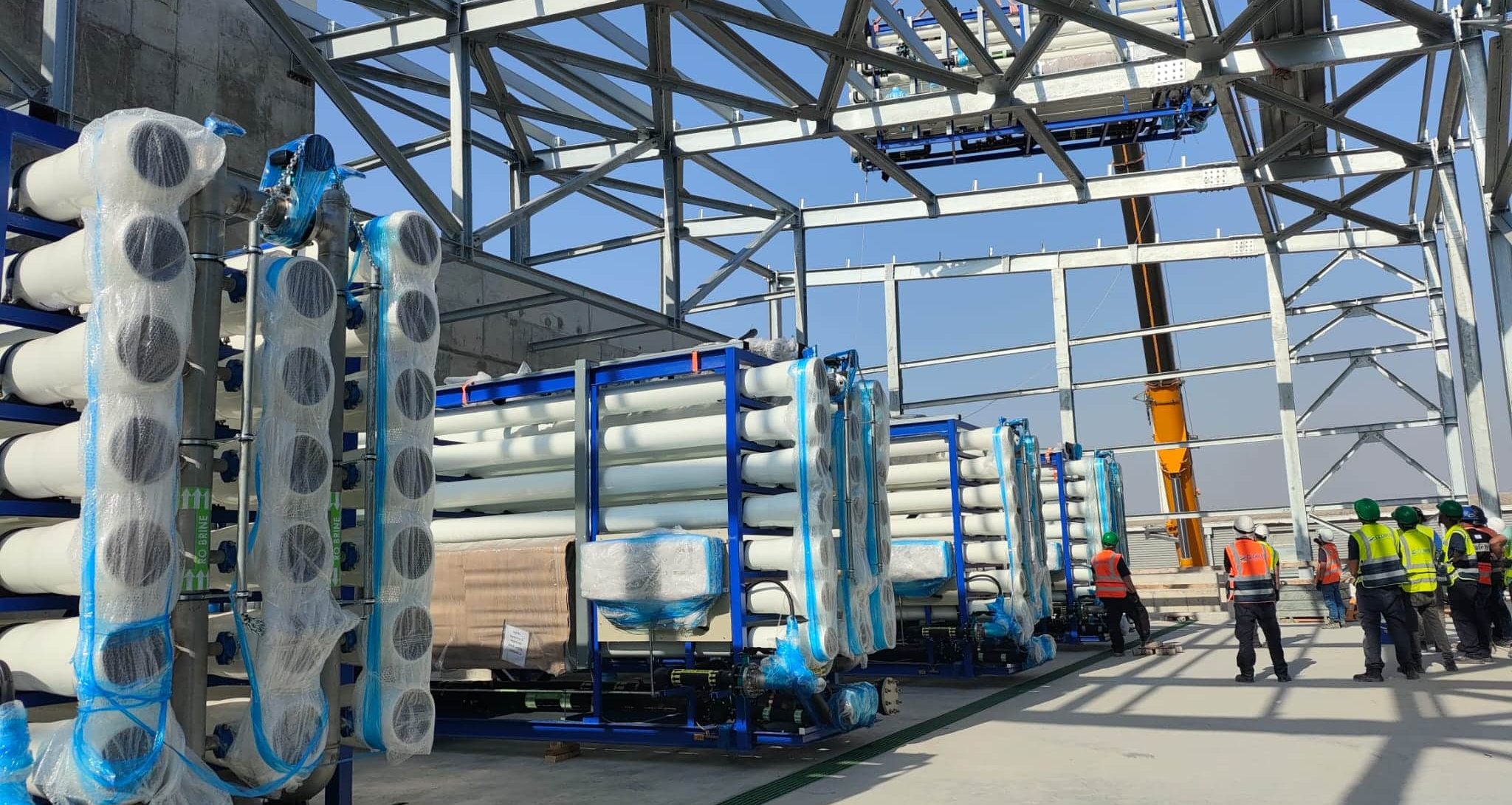
For cities and water authorities, using low-pressure reverse osmosis can increase water security by making more water sources viable.
Advanced membrane technology helps municipalities reduce energy consumption while expanding drinking water and water reuse
Communities worldwide are facing growing pressure to secure reliable water supplies while managing rising operating costs. Population growth, aging infrastructure, drought conditions, and stricter water quality requirements are forcing municipalities to produce more clean water with fewer resources.
Reverse osmosis (RO) has become a proven solution for producing high-quality drinking water and enabling water reuse. Today, advances in low-pressure membrane technology are helping municipalities achieve these goals while reducing energy consumption and operating costs.
Why Reverse Osmosis Matters
RO is one of the most effective treatment technologies available for removing dissolved salts, dissolved contaminants, and many other dissolved impurities from water. Municipal utilities use RO for applications ranging from brackish groundwater treatment and desalination to advanced wastewater reuse.
As water scarcity becomes a growing concern, many communities are also turning to reuse programs to create reliable local water sources. Advanced treatment processes that include RO can produce water suitable for irrigation, industrial applications, groundwater recharge, and use in advanced treatment trains for potable reuse.
How Low-Pressure Reverse Osmosis Works
Low-pressure reverse osmosis uses specially engineered membranes that can achieve high contaminant rejection while operating at lower feed pressures than conventional reverse osmosis systems. When feedwater quality is appropriate, the system requires less pumping energy to move water through the treatment process without compromising treated water quality.
Not every application is suitable for low-pressure operation. Feedwater characteristics, treatment objectives, and system design all influence whether lower operating pressures can be achieved. When conditions are favorable, however, low-pressure RO offers municipalities an opportunity to reduce energy consumption while maintaining reliable treatment performance.
The Advantage of Low-Pressure RO
Energy consumption has long been one of the largest operating costs associated with membrane treatment. With suitable water sources, advances in membrane design now allow many low-pressure RO systems to achieve high contaminant rejection while operating at lower pressures. When water quality and feed conditions allow, this can reduce the energy required to produce treated water while maintaining excellent quality.
For municipalities, lower operating pressures can provide several benefits:
- Reduced energy consumption
- Lower life-cycle operating costs
- Extended membrane life
- Improved overall system efficiency
- Greater affordability for water reuse projects
These advantages are particularly important for small and mid-sized communities seeking sustainable solutions without significantly increasing water rates.
Supporting Municipal Water Reuse
Water reuse is no longer simply a sustainability initiative. It's becoming a critical component of long-term water security. Treated wastewater can be transformed into a dependable resource for irrigation, industrial processes, groundwater recharge, and other municipal applications.
By combining the appropriate biological treatment with low-pressure RO, municipalities can produce high-quality reclaimed water while minimizing operating expenses. This approach helps communities maximize the value of existing water resources while reducing dependence on traditional sources of fresh water.
Designed for Efficiency and Reliability
Modern RO systems incorporate advanced controls, optimized pretreatment, and energy-saving technologies that improve performance and reduce maintenance requirements. Features such as stainless-steel skid construction and high-efficiency membrane configurations help utilities achieve reliable long-term operation.
Containerized and modular treatment systems further simplify deployment, allowing communities to expand capacity as demand grows, while minimizing upfront infrastructure costs. For example, a municipal drinking water project in Florida used a containerized, skid-mounted reverse osmosis system to treat well water with elevated dissolved solids and hardness. The system consistently produces drinking water that meets stringent quality requirements while providing a scalable design that can accommodate future growth by simply adding membrane capacity. Integrated clean-in-place (CIP) capabilities also help simplify maintenance and support long-term membrane performance.
Building Water Resilience
As municipalities work to secure sustainable water supplies, low-pressure RO offers a practical pathway to both drinking water production and water reuse. By lowering energy consumption while maintaining exceptional treatment performance, these systems help utilities address water scarcity, reduce operating costs, and improve long-term resilience.
Whether treating challenging groundwater, supporting potable water production, or expanding water reuse initiatives, low-pressure RO can help municipalities deliver safe, reliable water while making the most of every available resource. For communities looking to do more with every drop of water, it may be one of the most practical long-term investments available today.
Whether you're evaluating a new drinking water plant, expanding water reuse, or upgrading an aging RO system, Fluence can help identify the most efficient solution for your water source and treatment goals.
Low-Pressure RO FAQs
What is low-pressure reverse osmosis?
Low-pressure reverse osmosis uses specialized membranes that achieve high contaminant rejection while operating at lower feed pressures than conventional reverse osmosis systems. When water quality allows, this approach can reduce energy consumption while maintaining excellent treatment performance.
How does low-pressure reverse osmosis reduce energy costs?
Because the system operates at lower pressure when feedwater conditions allow, less energy is required to pump water through the membranes. This can reduce operating costs while continuing to produce high-quality treated water.
Can low-pressure reverse osmosis be used for water reuse?
Yes. Low-pressure reverse osmosis can be incorporated into advanced water reuse treatment trains to help produce high-quality reclaimed water for irrigation, industrial processes, groundwater recharge, and, in some cases, potable reuse.
When is low-pressure reverse osmosis the right choice?
Low-pressure reverse osmosis is most effective when feedwater quality, treatment objectives, and system design allow lower operating pressures while still meeting required water quality standards. An evaluation of source water and treatment goals helps determine whether it is the appropriate solution.


