
2025 was defined by rising water stress, tighter regulations, and growing demand for resilient treatment solutions — themes reflected in Fluence’s most-read articles of the year.
From food safety to power-plant performance, these were the water challenges, technologies, and solutions driving the most attention in 2025 on the Fluence blog
In a year defined by tightening regulations, rising water stress, and growing pressure on industries to do more with less, certain topics emerged as priorities for operators and industries navigating these pressures. The following five Fluence blog posts drew the most attention in 2025 by addressing these evolving water challenges.
1. Improve Power Plant Efficiency With Effective Water Treatment

Effective water treatment supports power plant efficiency by protecting critical systems, reducing downtime, and enabling water reuse in cooling and process operations.
Power plant efficiency emerged as the most-read topic in 2025, reflecting the critical role water treatment plays in plant performance and reliability. This blog post explains how water quality affects cooling systems, boiler integrity, corrosion, maintenance schedules, and overall plant performance. It examines water-intensive processes, where water is sourced, and how it is treated, and includes case studies of Fluence solutions used to demineralize water and improve cooling tower efficiency in power plants.
By treating water to high standards, power plant operators can reduce downtime, cut maintenance costs, and extend the operational lifespan of the plant. Treating and recycling wastewater for reuse in applications such as cooling towers also helps reduce water demand and improve the sustainability of operations.
2. Top 5 Water Challenges for RV and Mobile Home Parks

RV and mobile home parks face fluctuating demand, limited space, and evolving regulations that require flexible, scalable water and wastewater treatment solutions.
Mobile home and RV parks face unique water and wastewater challenges, including variable occupancy with high peak demand, limited space for infrastructure, high-strength concentrated wastewater, limited water availability, and the need to comply with stricter environmental regulatory standards. This blog post examines why standard treatment approaches often fall short in meeting demand and compliance requirements for RV and mobile home parks. It illustrates how modular, containerized water and wastewater treatment systems like Fluence’s NIROBOX™ and Aspiral™ Flex offer practical, cost-effective, and sustainable water management solutions to RV park operators. Despite their small footprints, they are designed to scale and handle fluctuating loads.
3. Is It Time to Upgrade Your Wastewater Lagoon
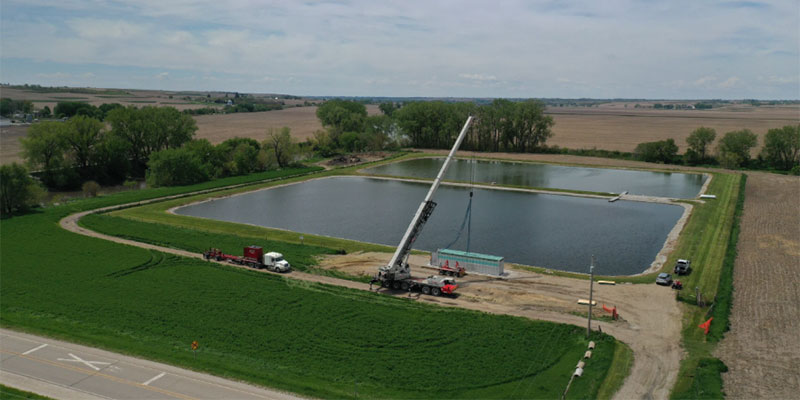
Aging wastewater lagoons often struggle with odors, sludge buildup, and nutrient compliance — signaling the need for targeted upgrades rather than full replacement.
Many utilities and businesses still rely on wastewater lagoons — large ponds that treat wastewater naturally over time. This blog post focuses on some of the indications that a lagoon is no longer functioning optimally, such as sludge accumulation, frequent odors, algal blooms, and fluctuations in seasonal performance. It offers solutions to address these issues and improve efficiency, including aeration upgrades, improved sludge management, and tertiary treatment or an enhanced nutrient removal solution, such as the membrane aerated biofilm reactor (MABR) technology used in Fluence’s Aspiral™ Flex units.
4. Industries That Can Benefit From Decentralized Wastewater Treatment

Decentralized wastewater treatment allows industries to manage water on-site, reducing costs, improving compliance, and supporting operations in remote or space-constrained locations.
Decentralized wastewater treatment is increasingly being adopted across industrial sectors facing water scarcity, rising costs, and tighter environmental regulations. These modular systems reduce capital costs, increase operational control, and often lower long-term expenses while delivering compliance and reliability.
Instead of relying on centralized infrastructure located some distance away, decentralized systems are located on-site and can be designed to target specific contaminants. This makes them ideal for remote sites and seasonal operations such as remote industrial camps and mining sites, as well as the hospitality and tourism sectors. Due to their small footprint, they are also beneficial for urban renewal projects where space is limited. For water-intensive industries that generate wastewater high in organic matter and nutrients — such as electric vehicle (EV) battery manufacturing, which generate wastewater containing hazardous compounds, or agribusiness and food processing — on-site treatment using individually tailored treatment technologies can help meet stricter environmental regulatory requirements.
5. How Water Treatment Impacts Taste and Safety of Food & Beverages

Water quality plays a direct role in the taste, shelf life, and safety of food and beverage products, making treatment consistency a critical part of production.
Water quality plays a direct role in the taste, safety, and shelf life of food and beverage products, making treatment consistency a critical part of manufacturing operations. The blog post explains how contaminants such as bacteria, heavy metals, residual treatment chemicals, and mineral content can subtly affect flavor, shelf life, and clarity. It also discusses how tailored water treatment with technologies — such as reverse osmosis (RO), ultrafiltration, activated carbon filtration, and disinfection — can target specific contaminants to ensure consistency and regulatory compliance.
Water Challenges That Will Carry Into 2026
Looking ahead to the new year, the challenges of water scarcity, regulatory demands, aging infrastructure, and shifting industry expectations will continue placing pressures on operators, industries, and communities to seek innovative water management solutions.
At Fluence, our commitment remains the same: to bring practical guidance that support effective treatment and resilient infrastructure. Contact Fluence to continue the conversation in 2026.


